The average American gave 36¢ a day to USAID.
It funded the most cost-effective lifesaving work the government did. In 2025 they cut it. The Lancet estimates the aid cuts could contribute to 1.8 million deaths a year, 500,000 of them in children younger than 5.
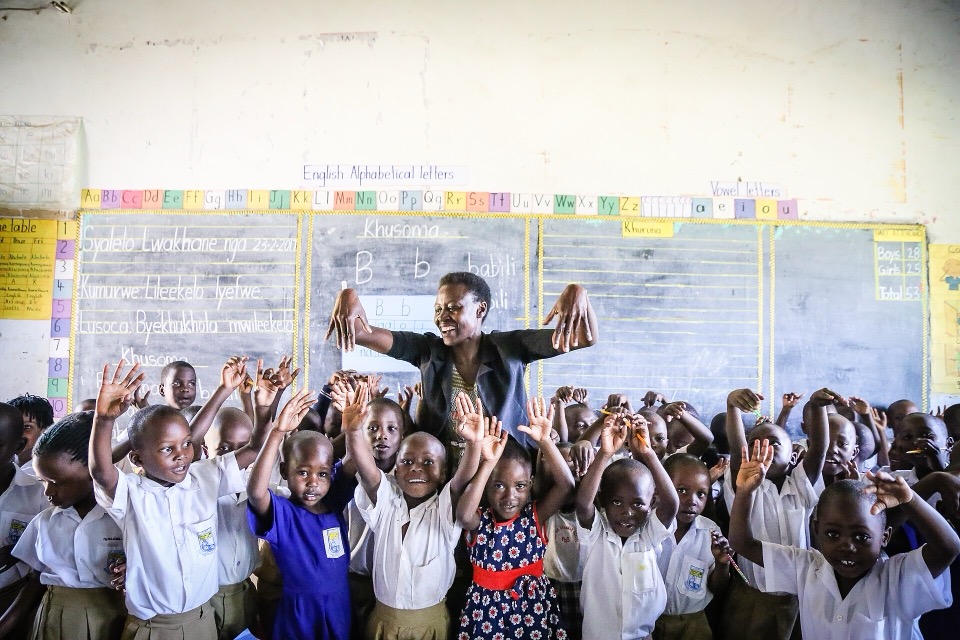
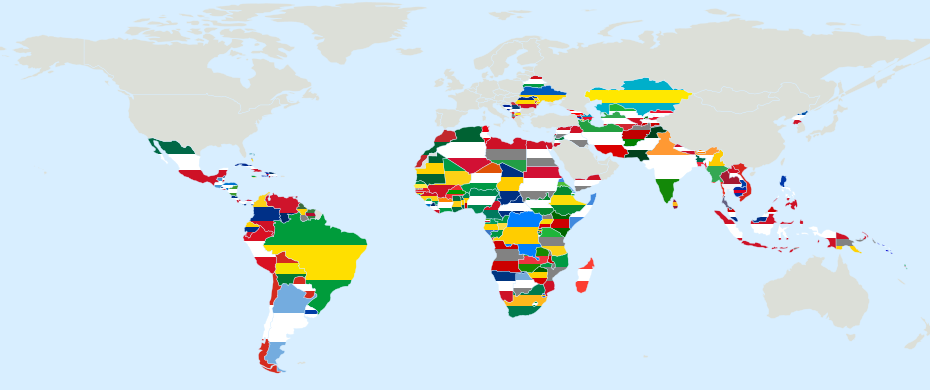
Here is what your share was, and how to give it back.
What did you make last year?
We estimate the slice of your federal income tax that went to USAID before it was cut.
Give it back.
A month at 36¢ a day is $11.
Sending $0 one time. Choose where it goes.
We keep nothing.
Every dollar goes straight to the charity through Every.org, a registered nonprofit that issues your tax receipt. taxyourself.us never touches it.
What happened to USAID
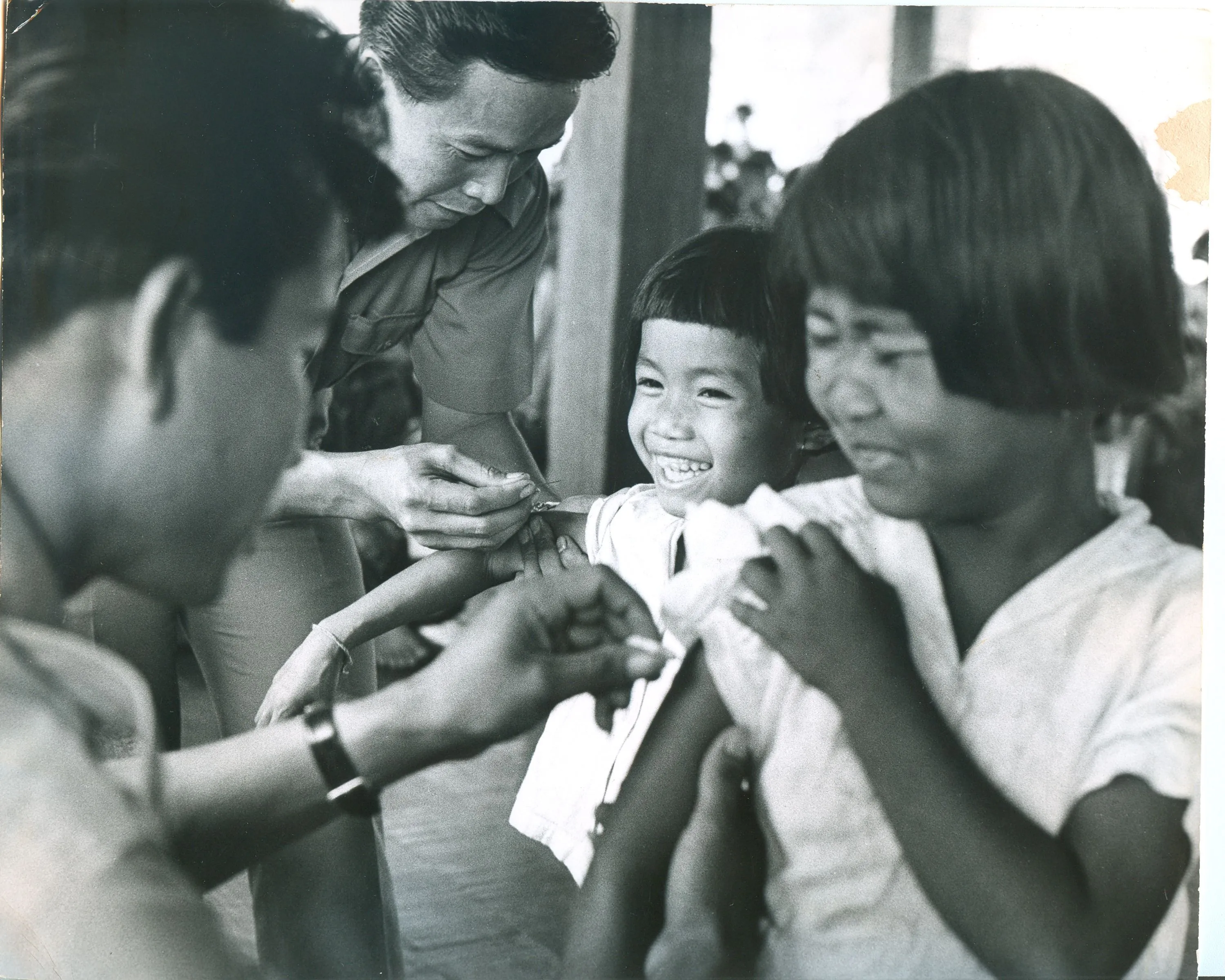
For sixty years the United States ran the biggest aid agency in the world. In 2025 it was shuttered in about six months.
The cuts started in Trump's first month in office. By March, Secretary of State Marco Rubio said 83 percent of USAID's programs were canceled. On July 1 the agency closed for good, and what survived got folded into the State Department. Staff went from more than ten thousand to a few dozen.
The move had mixed popularity, with 35 percent of Americans supporting the cuts and 45 percent opposing them. But that reception was built on a misconception.
When asked, most Americans guessed foreign aid accounted for about 25 percent of the federal budget. They said it should be something more reasonable, like 10 percent.
The real number is 0.7 percent. That is less than most advanced economies spend on aid. In 2018, total US foreign aid came to 0.18 percent of gross national income, which ranked 23rd among donor nations, well behind the UN target of 0.7 percent of GNI.
The Lancet estimates the global aid cuts could cause 9.4 million additional deaths by 2030, around 1.8 million a year, 500,000 of them children under five. And we are taxed at the same rate as before.
What USAID did
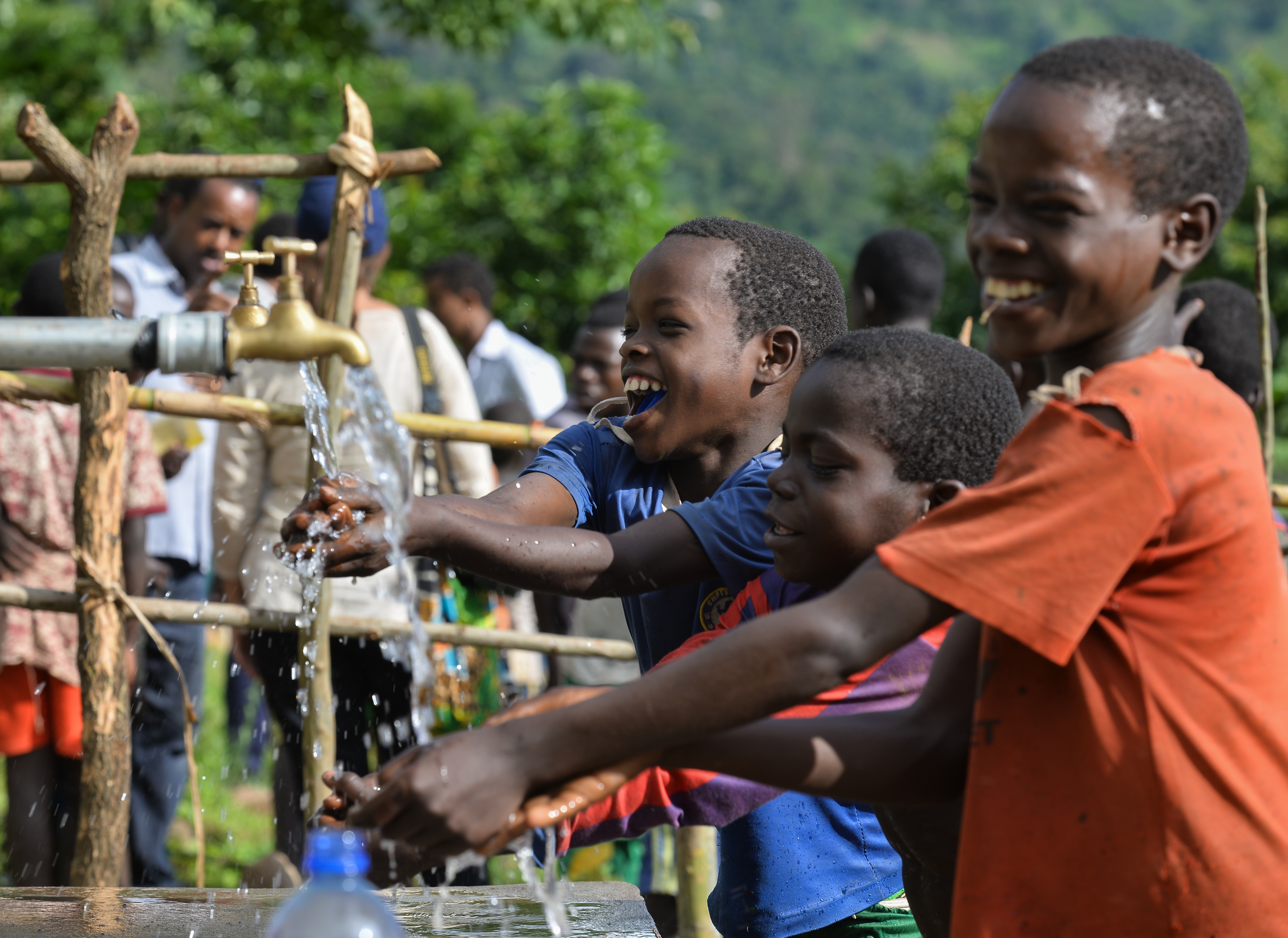
Over the last thirty years, the world changed in ways that would have sounded impossible in 1990. And much of it was due to USAID:
- Extreme poverty fell from 1.9 billion people, a third of humanity, to 736 million by 2015.
- Maternal and child mortality were cut in half.
- Global life expectancy rose from 65 years to 72.
- Smallpox was wiped off the earth. Polio survives in only two countries. Malaria deaths fell by half between 2000 and 2017.
- PEPFAR, the American AIDS program, has saved 26 million lives and let 7.8 million babies be born free of HIV.
The United States was the largest single funder of these gains, even though it gave one of the smallest shares of its income of any wealthy nation. We did enormous good for no practical cost.
Ever since World War Two, American foreign policy has stood on three legs: defense, diplomacy, and development. Development was the cheapest of the three, and also the most effective, as it has no downside. This was how much of the world knew the United States. Now they know it by the gap it left, and the wreckage left behind.
The gap nobody filled
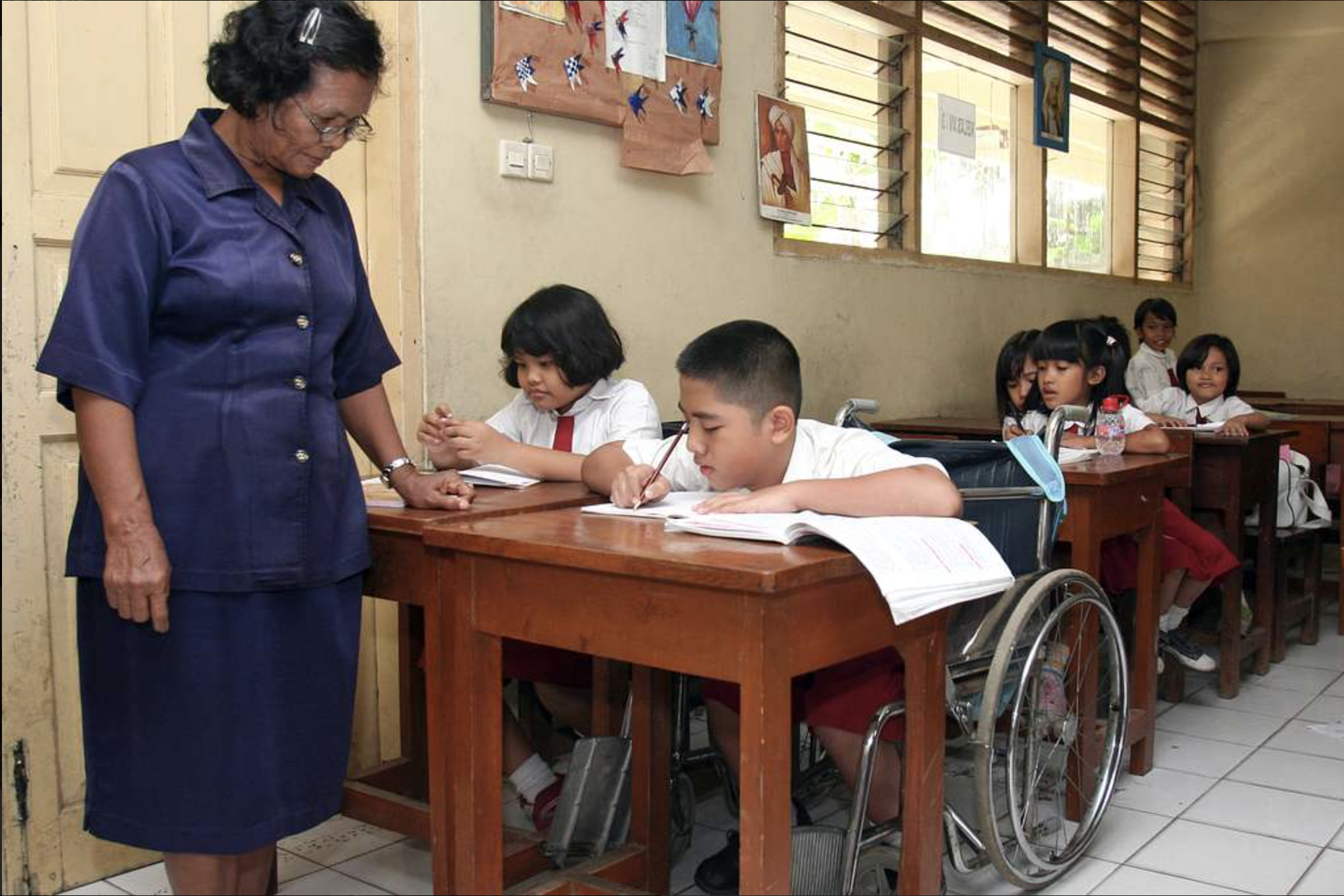
When the cuts landed, the theory was that someone would step in. The US was done paying the lion's share, the argument went, when we left someone else would pick up the slack.
The budget shortfall for programs formerly funded by USAID comes to about $40 billion a year. The other big donor governments were already giving more of their income proportionally than we were, and several were cutting their own aid at the same time. There was no reserve waiting to be tapped.
Private giving cannot work at that scale either. GiveWell, an NGO that routes donations to the most cost-effective global health and poverty alleviation charities, had its biggest year ever in 2025, collecting $418 million. This made up for 1 percent of the money that Americans had been giving without even noticing.
You already paid for this
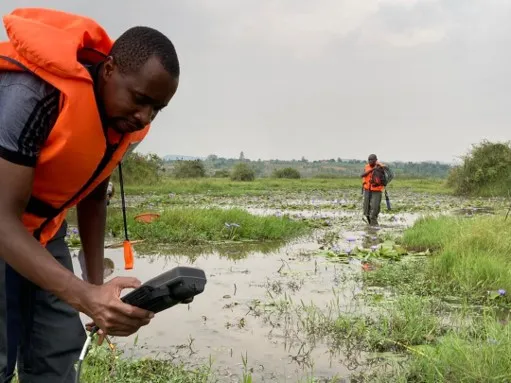
Cutting USAID did not save taxpayers anything. Congress is still appropriating the same money it always did, and we are taxed at the same rate. The savings everyone assumed were coming never showed up.
So where did the money go? A senior USAID official, pushed out for blowing the whistle on the shutdown, says it is still being collected and spent at nearly the same rate, with no clear accounting of where it now lands.
Who did step in
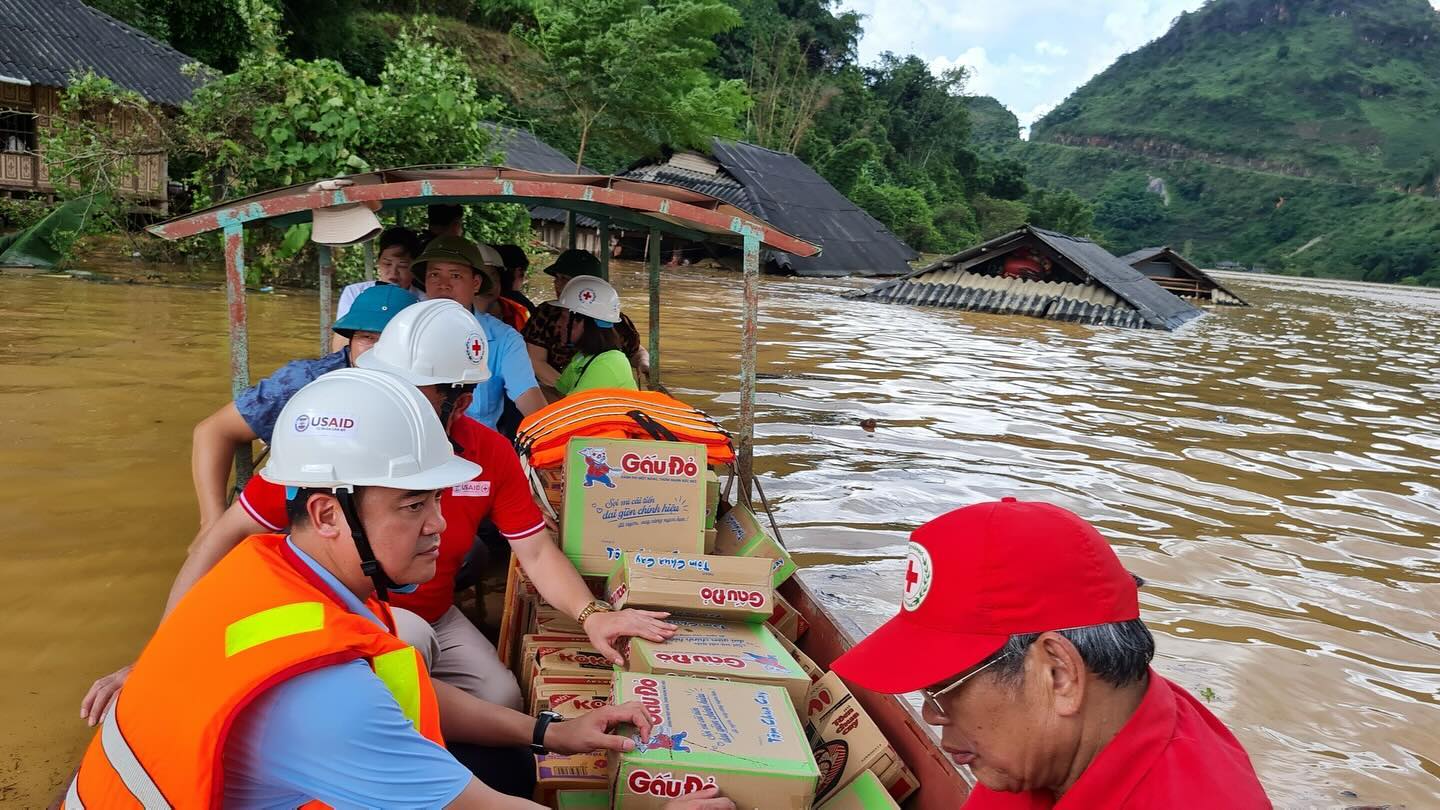
A few groups ran toward the fire. None could put it out, but they are where your money does the most right now.
GiveWell opened an emergency fund for the worst-hit programs, paying for malaria drugs and cholera response where the stop-work orders landed hardest.
Founders Pledge, a nonprofit that helps entrepreneurs give away a slice of their wealth well, built the Catalytic Impact Fund to keep high-impact programs alive after they lost their funding overnight.
GiveDirectly, an American charity that wires cash straight to people in extreme poverty, started reaching families the cuts had stranded.
And a group of former USAID staff started Project Resource Optimization, which ranks the canceled programs by how many lives each dollar would have saved.
The only way this works now is the way it worked before, a lot of people each putting in a little. We just never noticed what we had until it was gone.
Was USAID effective?
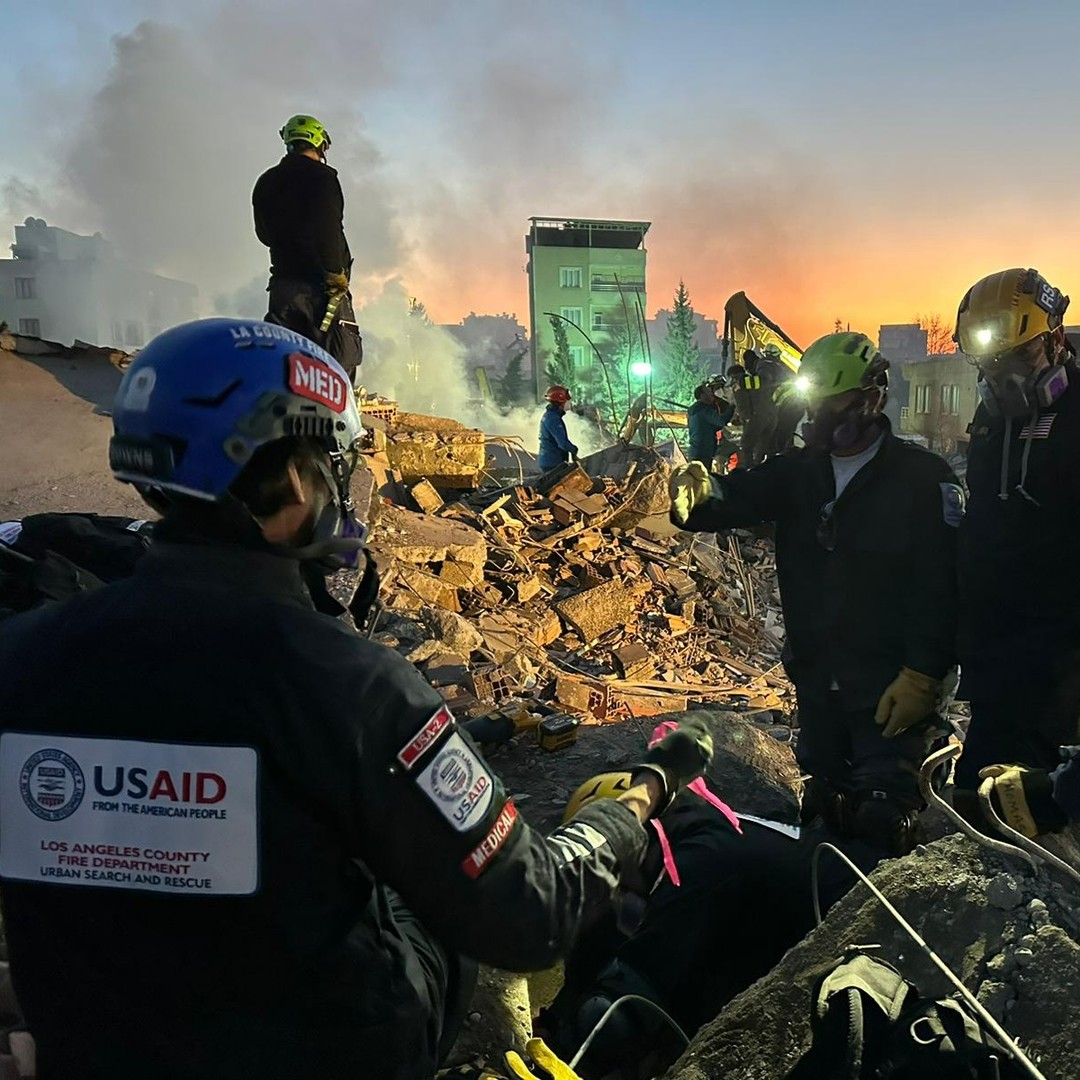
The loudest knock on USAID was that the money never reached the people it was meant for, that it disappeared into overhead and contractors. It is a fair thing to ask, and because the spending was documented, it is a thing we can actually check.
The agency ran on about 4,675 employees, who moved roughly $44 billion a year to about 130 countries, three of every five foreign-aid dollars the country spent. Where the money went is public, tracked line by line on a government database. An independent study in the Lancet credits USAID's work with preventing more than 91 million deaths over two decades, 30 million of them children. Some of the work behind that number:
- HIV and AIDS. Through PEPFAR, running since 2003, the US has spent more than $120 billion and is credited with 26 million lives saved and 7.8 million babies born free of HIV. It still keeps HIV medication flowing to 20 million people.
- Malaria. The President's Malaria Initiative protected 53 million people with bed nets, rapid tests, and treatment, part of a 51 percent drop in malaria deaths where USAID funding ran highest.
- Mothers and newborns. In 2024 alone, USAID programs gave 16.8 million women lifesaving care during pregnancy, 11.3 million newborns postnatal care, and treated 14.7 million children for pneumonia and diarrhea.
- Famine. Feeding people through the worst hunger crises on earth. In Sudan, where famine was formally declared and more than 25 million people went hungry, the US was the single largest donor, about $880 million in 2024.
- Neglected tropical diseases. USAID's deworming and parasite program reached 1.7 billion people and helped cut deaths from those diseases in half.
All told, the United States covered more than 40 percent of every humanitarian-aid dollar the UN tracked in 2024. The books were open, the staff was small, and the spending is still online for anyone to read. Whatever USAID was, it was not a slush fund. The real waste is what is being lost now that it is gone.
Who USAID funded
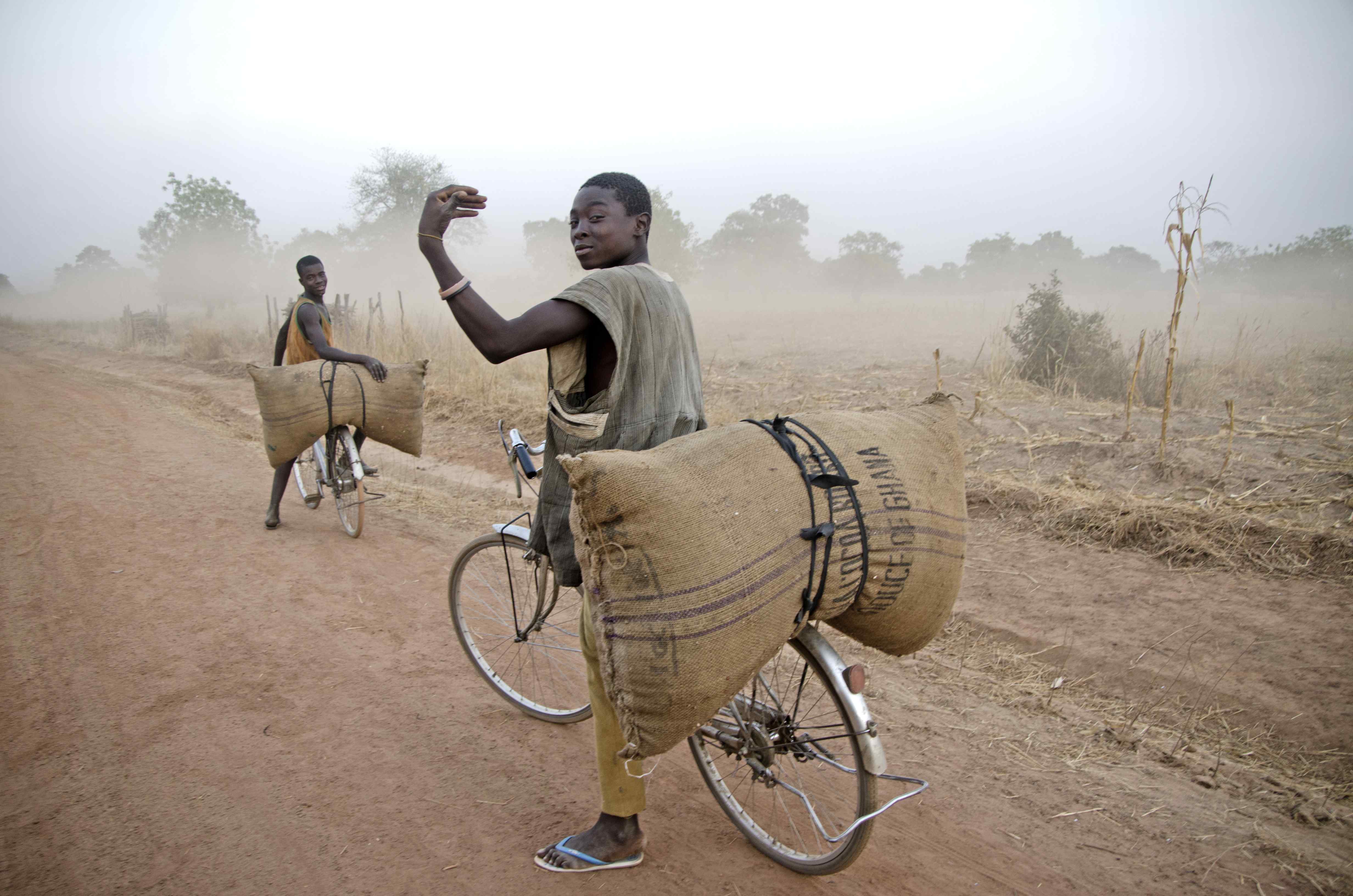
USAID rarely delivered aid itself. It paid a wide network of others to do the work. The money went, roughly, to three kinds of organizations.
- Charities: Catholic Relief Services, Save the Children, Mercy Corps, World Vision
- Contractors: Chemonics, RTI, and Abt Global
- UN agencies: The World Food Programme, the Global Fund, UNICEF
Most of these groups lost a large share of their budgets the day the orders went out.